Resource Center: What We've Learned
Home / Resource Center
What Should I Do After a Car Accident in Acadia National Park?
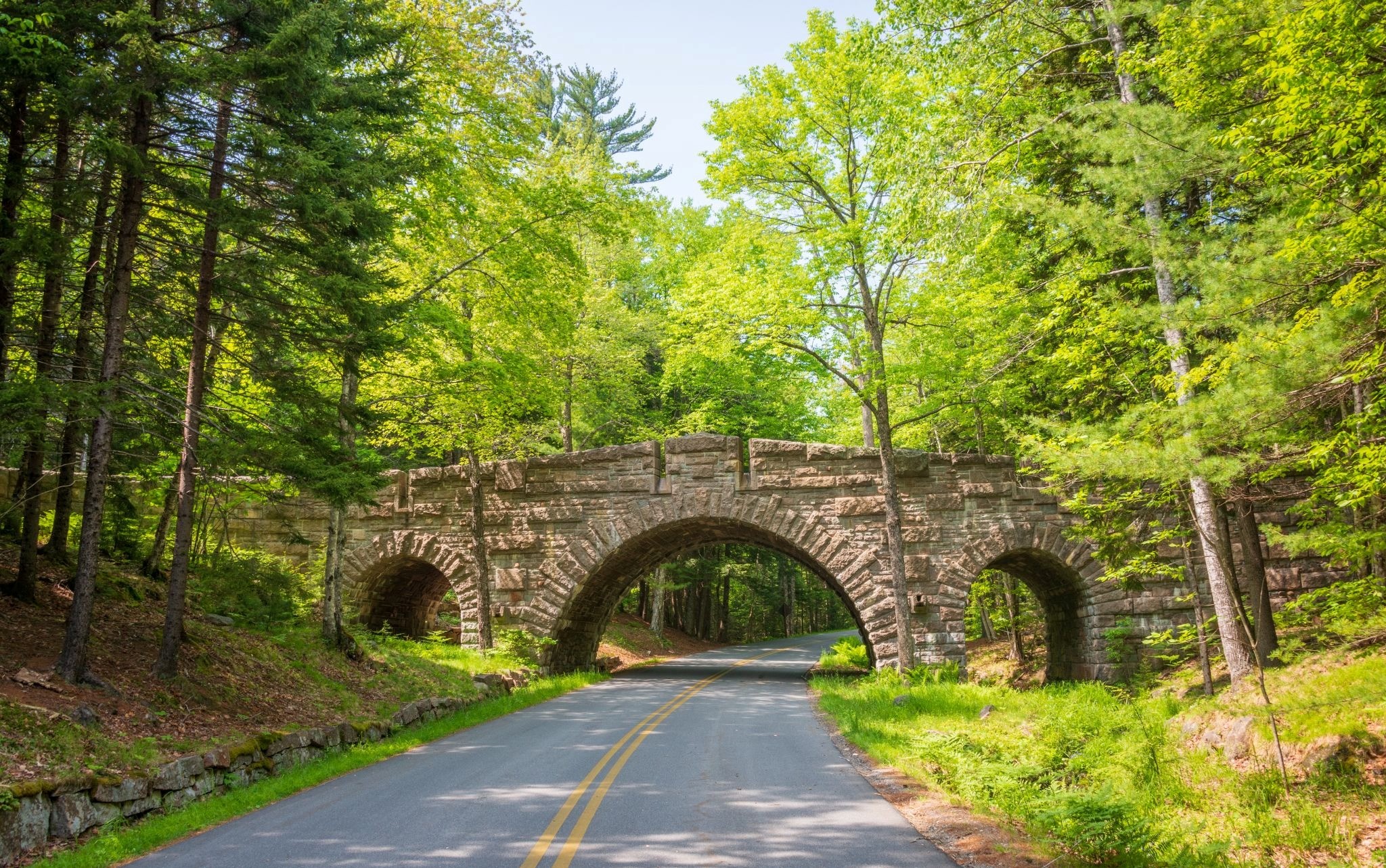
Every summer, millions of visitors travel to Acadia National Park, Bar Harbor, and the surrounding communities of Hancock County to experience one of Maine’s most iconic destinations. Along with increased tourism comes heavier traffic, unfamiliar drivers, crowded roadways, and a greater risk of motor vehicle accidents throughout Downeast Maine.
If you’ve been injured in a car accident while visiting Acadia, the steps you take in the hours and days that follow can have a significant impact on both your recovery and your ability to pursue compensation.
For decades, VBK attorneys have represented individuals and families injured in motor vehicle accidents throughout Maine. One thing we’ve consistently observed is that visitors often face unique challenges after a crash. They may be far from home, unfamiliar with Maine law, and uncertain about how insurance coverage applies across state lines. Legal counsel with over 5 decades of expertise in the state of Maine can help you confidently navigate a Maine state crash.
The good news is that there are practical steps you can take immediately to protect your health, preserve important evidence, and better understand your legal options.
Get Started Today
What Should I Do After a Car Accident in Acadia or Hancock County?
1. Call 911 and Seek Medical Attention
Your health should always come first.
Even injuries that initially seem minor can become more serious in the hours or days following a crash. Concussions, whiplash, soft tissue injuries, and certain internal injuries may not be immediately apparent at the accident scene.
Attorney Insight: Delayed Symptoms Are Common
One issue we frequently encounter in tourist-related injury claims is delayed medical treatment. Many visitors continue with their vacation plans or return home believing they are simply sore from travel, only to discover days later that they suffered a concussion, neck injury, or back injury.
Insurance companies sometimes point to gaps in treatment when evaluating injury claims. Obtaining medical care as soon as symptoms appear can help protect both your health and your claim.
2. Document the Scene
If you are physically able, gather as much information as possible before leaving the accident scene.
This may include:
- Photographs of vehicle damage
- Road conditions and traffic signs
- Contact information for witnesses
- Insurance information from all drivers involved
- Photos showing the position of vehicles after the collision
3. Obtain the Police Report
Law enforcement reports often provide important documentation regarding road conditions, witness statements, and preliminary assessments of how the accident occurred. Order report here.
4. Be Careful When Speaking with Insurance Companies
Insurance adjusters may contact you shortly after an accident.
Before providing a recorded statement or accepting a settlement offer, it is important to understand the full extent of your injuries, future medical needs, and potential damages.
Attorney Insight: Early Settlement Offers Can Be Misleading
Many people assume they can evaluate a settlement offer within days of an accident. In reality, some injuries take weeks or months to fully develop.
We’ve seen situations where injured individuals accepted an offer before understanding the long-term impact of their injuries, only to discover later that additional treatment or time away from work would be necessary.
5. Speak With a Maine Personal Injury Attorney
This can be particularly important for visitors from outside Maine.
Although you may live elsewhere, accidents that occur in Maine are generally governed by Maine law. Working with attorneys who routinely handle claims in Maine courts and deal with Maine insurance carriers can help ensure important deadlines and legal requirements are addressed appropriately.
Why Do Car Accidents Increase Around Acadia During the Summer?
Acadia National Park attracts millions of visitors each year, with the busiest travel period occurring between June and September. During peak season, roads throughout Mount Desert Island, Bar Harbor, Trenton, Ellsworth, and surrounding communities often experience significant congestion.
Several factors contribute to the increased risk of accidents during Maine’s tourism season.
Drivers Unfamiliar With Local Roads
Many visitors are navigating Acadia and Downeast Maine for the first time. Drivers may miss turns, make sudden stops, rely heavily on GPS navigation, or struggle with narrow roads and unfamiliar traffic patterns.
Heavy Seasonal Congestion
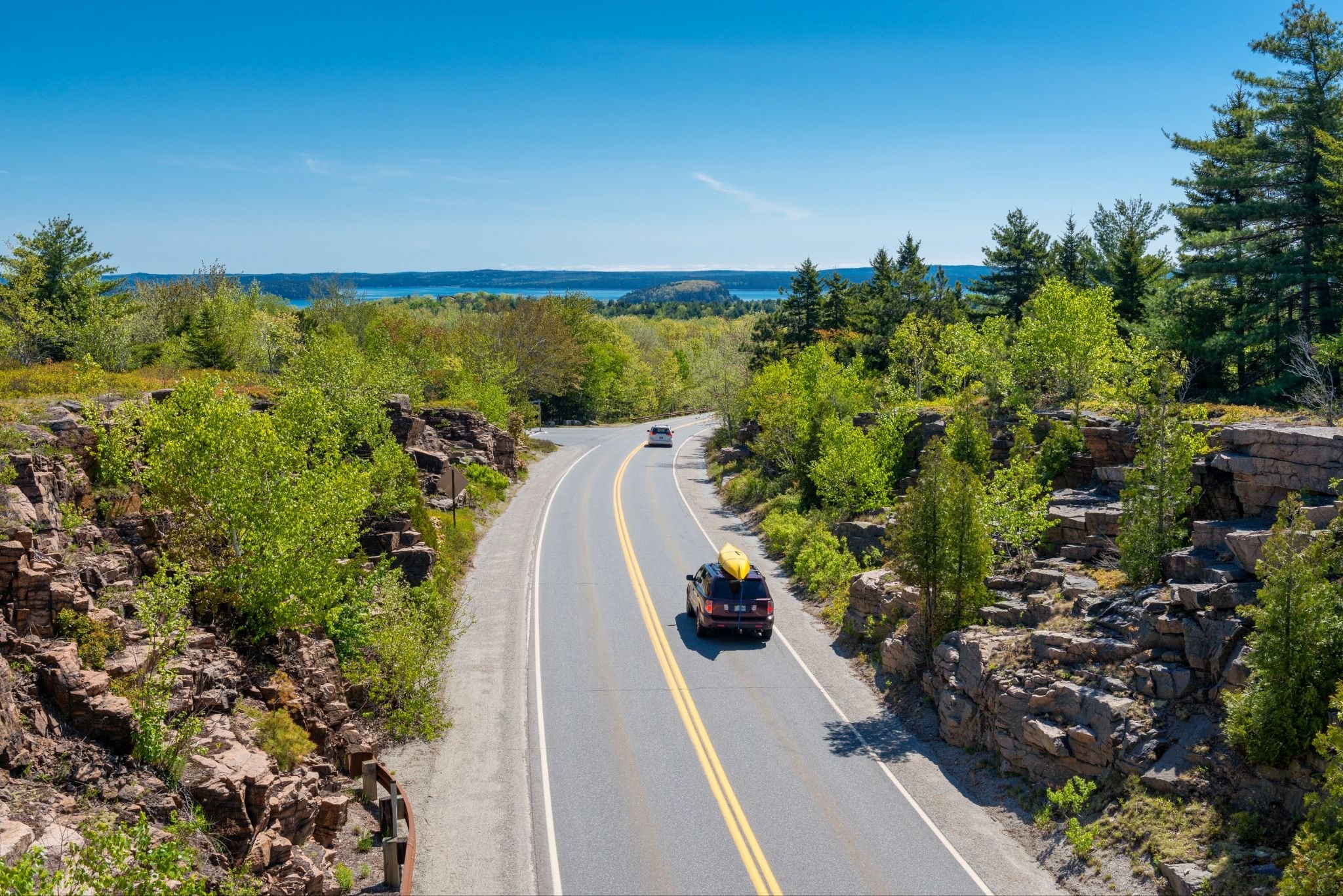
Popular destinations such as Cadillac Mountain, Sand Beach, Jordan Pond, and the Park Loop Road experience substantial traffic during the summer months. Stop-and-go traffic increases the likelihood of rear-end collisions and other preventable accidents.
Increased Pedestrian and Bicycle Activity
Acadia and Bar Harbor attract large numbers of cyclists and pedestrians. Drivers unfamiliar with the area may not anticipate crosswalks, shared roadways, or sudden pedestrian activity near popular attractions.
Rental Vehicles, RVs, and Recreational Traffic
The seasonal influx of rental cars, camper vans, RVs, and tour vehicles creates additional driving challenges, particularly on narrower roads where visibility and maneuverability may be limited.
Common Types of Car Accidents in the Acadia Region
- Rear-end collisions in congested traffic
- Intersection crashes in Bar Harbor and Ellsworth
- Parking lot accidents at popular attractions
- Bicycle and pedestrian accidents
- Sideswipe collisions on narrow roads
- Accidents involving distracted or out-of-state drivers
- Crashes involving commercial tour vehicles or shuttles
Attorney Insight: Acadia Accidents Often Involve Unique Evidence Challenges
Challenges Visitors Often Face After a Maine Accident
Frequently Asked Questions
1. Can I file a personal injury claim in Maine if I live in another state?
2. Will my own auto insurance still apply if I was injured in Maine?
3. What if the at-fault driver was also a tourist?
4. Will I have to keep traveling back to Maine?
5. Should I accept the insurance company's first settlement offer?
Why Local Representation Matters
When evaluating legal representation after a Maine accident, it is important to understand that local experience can make a difference.
Attorneys familiar with Maine’s courts, insurance practices, medical providers, and regional transportation patterns are often better positioned to navigate issues that arise in injury claims involving visitors.
For decades, VBK has represented injured individuals and families throughout Hancock County, Downeast Maine, Bangor, and communities across the state.
Attorney Perspective
One pattern we’ve observed repeatedly is that evidence becomes more difficult to obtain once visitors return home. Witnesses move on, vehicles are repaired, and memories fade. Taking prompt action after a serious accident often provides the best opportunity to preserve important information and protect your rights.