Resource Center: What We've Learned
What We've Learned About Deer Collisions in Maine
For many Mainers, encountering wildlife on the road isn’t unusual—it’s part of living and driving here. Every year, deer collisions occur on highways, rural roads, and neighborhood streets across the state. While some crashes result in vehicle damage alone, others cause serious injuries, secondary collisions, or difficult questions about insurance coverage.
One thing we’ve learned over decades of serving Maine communities is that people are often unsure what to do after striking a deer.
This resource answers those questions and explains the practical steps that can help protect your safety, your health, and your rights.
Do you need an attorney? Call us now.
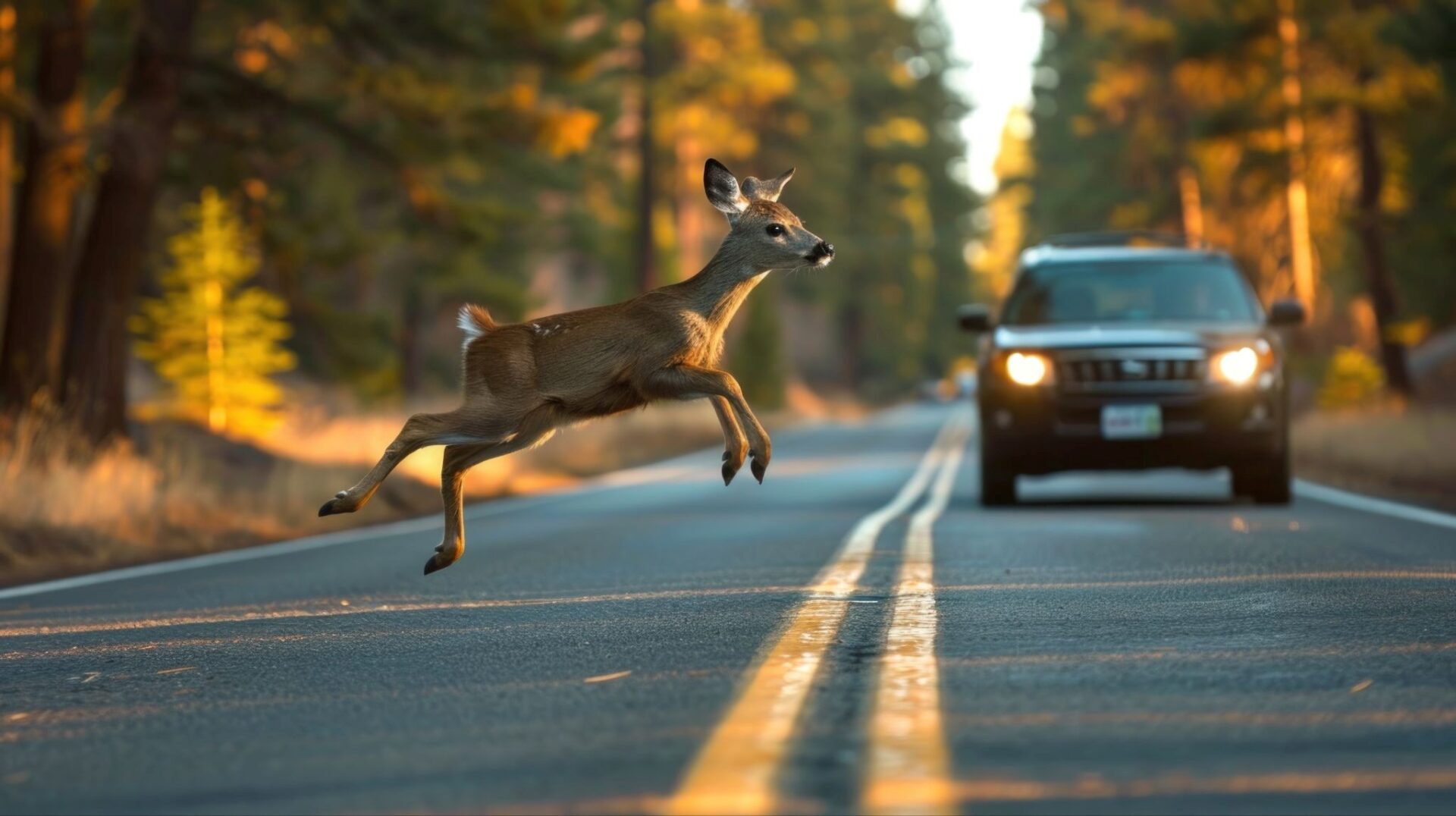
Attorney Perspective: A Deer Collision Can Become More Than a Wildlife Accident
Many people assume that if a deer caused the crash, there’s nothing more to think about than repairing the vehicle.
In reality, deer collisions can quickly become more complicated.
A driver may swerve to avoid an animal and collide with another vehicle. A motorcyclist may suffer serious injuries after striking a deer.
A secondary crash involving multiple vehicles can raise questions about
- Fault
- Insurance coverage
- And the circumstances leading up to the collision.
Each situation is different, which is why it’s important to focus first on safety and documentation before worrying about liability.
What Should You Do Immediately After Hitting a Deer?
If you’re involved in a deer collision:
- Move your vehicle to a safe location if it can be driven.
- Turn on your hazard lights.
- Check yourself and any passengers for injuries.
- Call 911 if anyone is injured or the roadway is blocked.
- Contact law enforcement if appropriate.
- Photograph the scene, your vehicle, and any road conditions if it is safe to do so.
- Avoid approaching an injured deer. Even severely injured wildlife can behave unpredictably.
- Notify your insurance company as soon as practical.
- Call a lawyer if you feel you need representation
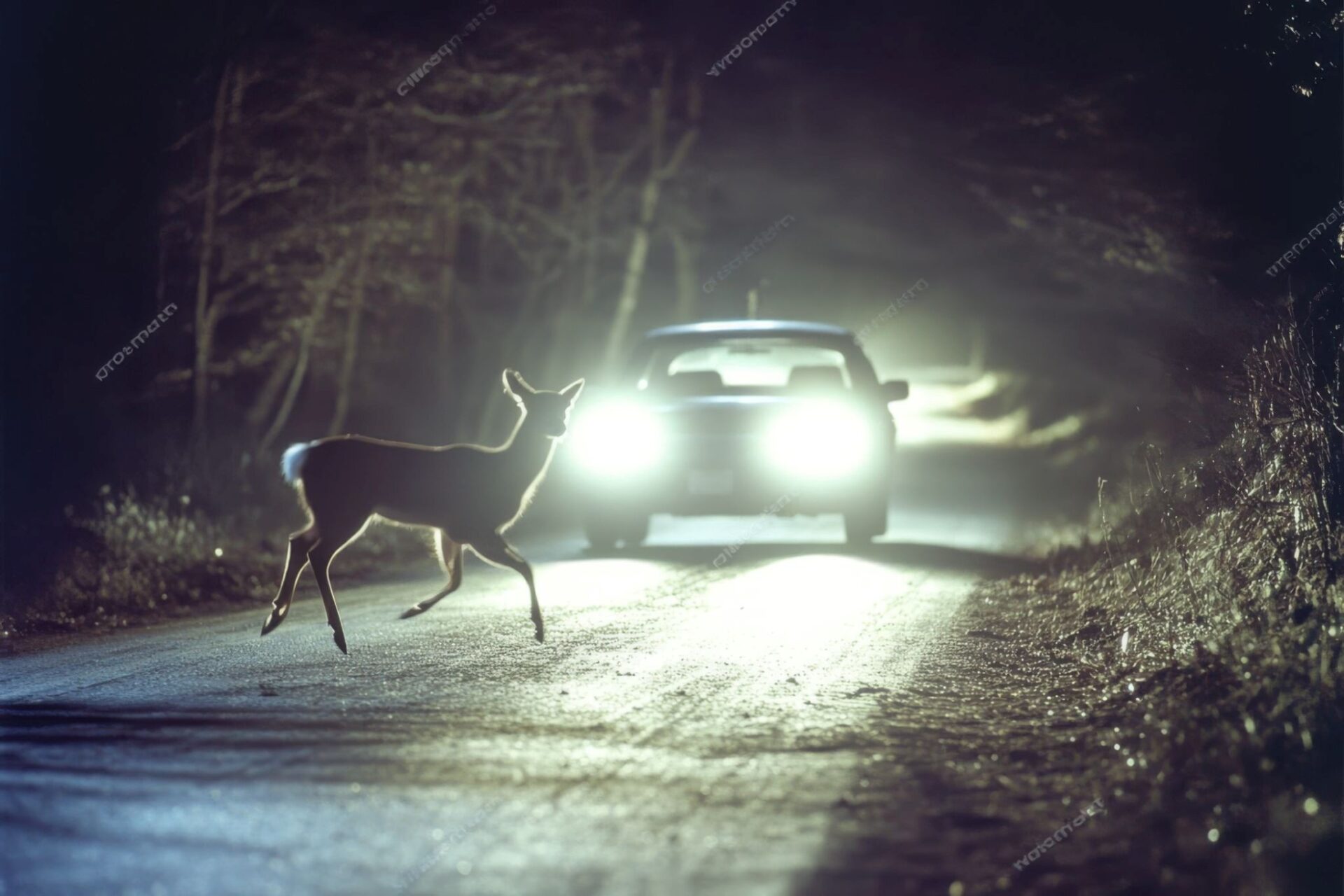
Attorney Perspective: Not Every Injury Is Immediately Obvious
After a collision, adrenaline often masks pain.
We’ve learned that some people feel fortunate to walk away from what appears to be a minor crash, only to experience neck pain, back pain, or concussion symptoms later that day or the following morning.
Seeking prompt medical evaluation after any significant collision protects your health and creates a clear medical record if injuries develop.
Will Insurance Cover a Deer Collision?
Many drivers are surprised to learn that damage caused by striking a deer is often handled differently than damage resulting from a collision with another vehicle.
Whether your insurance covers the damage depends on the terms of your policy and the types of coverage you’ve chosen. If another vehicle becomes involved in the crash, additional insurance questions may arise.
Understanding your policy—and asking questions if you’re unsure—can help you avoid surprises during the claims process.
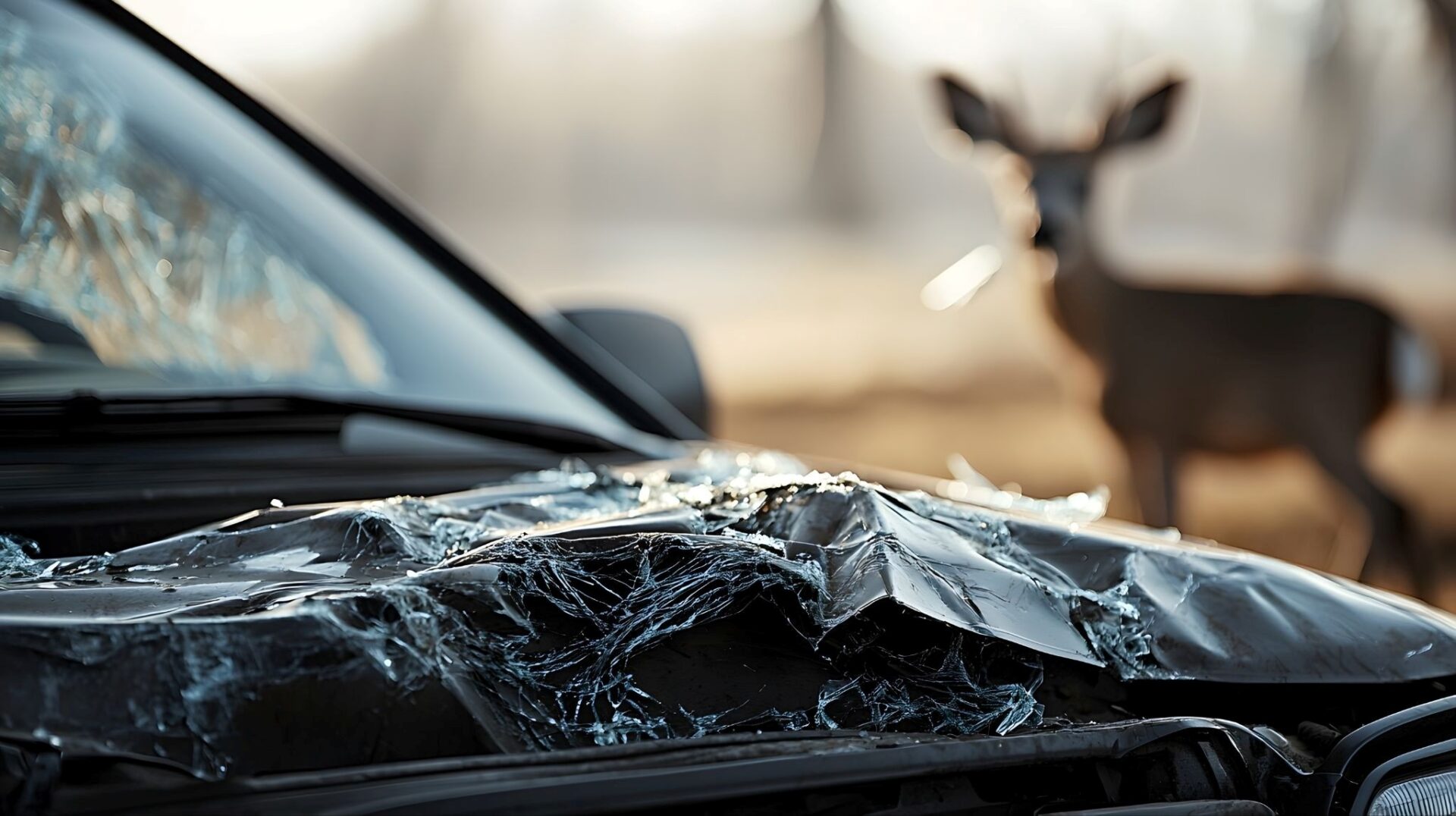
When Can a Deer Collision Become a Personal Injury Claim?
In many cases, no one is legally responsible for the deer entering the roadway.
However, some deer-related crashes involve additional factors.
Examples may include:
- Another vehicle collides with yours after the initial impact. This may be a personal injury claim.
- An 18-wheeler commercial truck’s actions contribute to a secondary collision.
- A driver swerves into oncoming traffic.
- Road conditions or other circumstances become part of the investigation.
Every accident has unique facts. Understanding exactly how the collision occurred is often one of the first steps in evaluating whether additional legal issues exist.
Get Started Today
Attorney Perspective: Documentation Matters
Whether you’re filing an insurance claim or simply repairing your vehicle, good documentation can make the process easier.
Consider keeping:
- Photographs of the scene.
- Vehicle damage.
- Medical records.
- Repair estimates.
- Police reports, if one was prepared.
- Notes about your injuries and recovery.
Small details often become important later.
Frequently Asked Questions
1. Should I call the police after hitting a deer in Maine?
2. Does auto insurance cover deer collisions?
3. Should I avoid hitting a deer by swerving?
4. Can I be injured even if my vehicle doesn't look badly damaged?
5. When should I speak with an attorney?
Get Started Today
Contact VBK Law
Related Resources
Continue exploring the VBK Resource Center:
- What We’ve Learned About Insurance Companies After Serious Car Accidents in Maine
- What We’ve Learned About 18-Wheeler Truck Accidents in Maine
- What Should I Do After a Car Accident in Acadia National Park?
- Maine Personal Injury Lawyers
- Car Accident Lawyers
- Serving Waldo County
- Serving Aroostook County
- Downeast Maine Lawyers
A Final Thought
Driving in Maine means sharing the road with wildlife. Most deer collisions are unavoidable, and they often happen in an instant.
We’ve helped generations of Mainers navigate some of life’s most difficult legal decisions.
And one thing we’ve learned is that the moments after a collision matter.
Taking the time to protect your safety, seek medical care when needed, document what happened, and understand your insurance options can make the recovery process much smoother.
At VBK, we believe experience is measured not simply by years in practice, but by the judgment that comes from helping generations of Mainers through life’s unexpected challenges. If a deer collision has left you with serious injuries or complex insurance questions, we’re here to help you understand your options and move forward with confidence.