Resource Center: What We've Learned
Why Deer Collisions Increase During Maine's Fall Driving Season
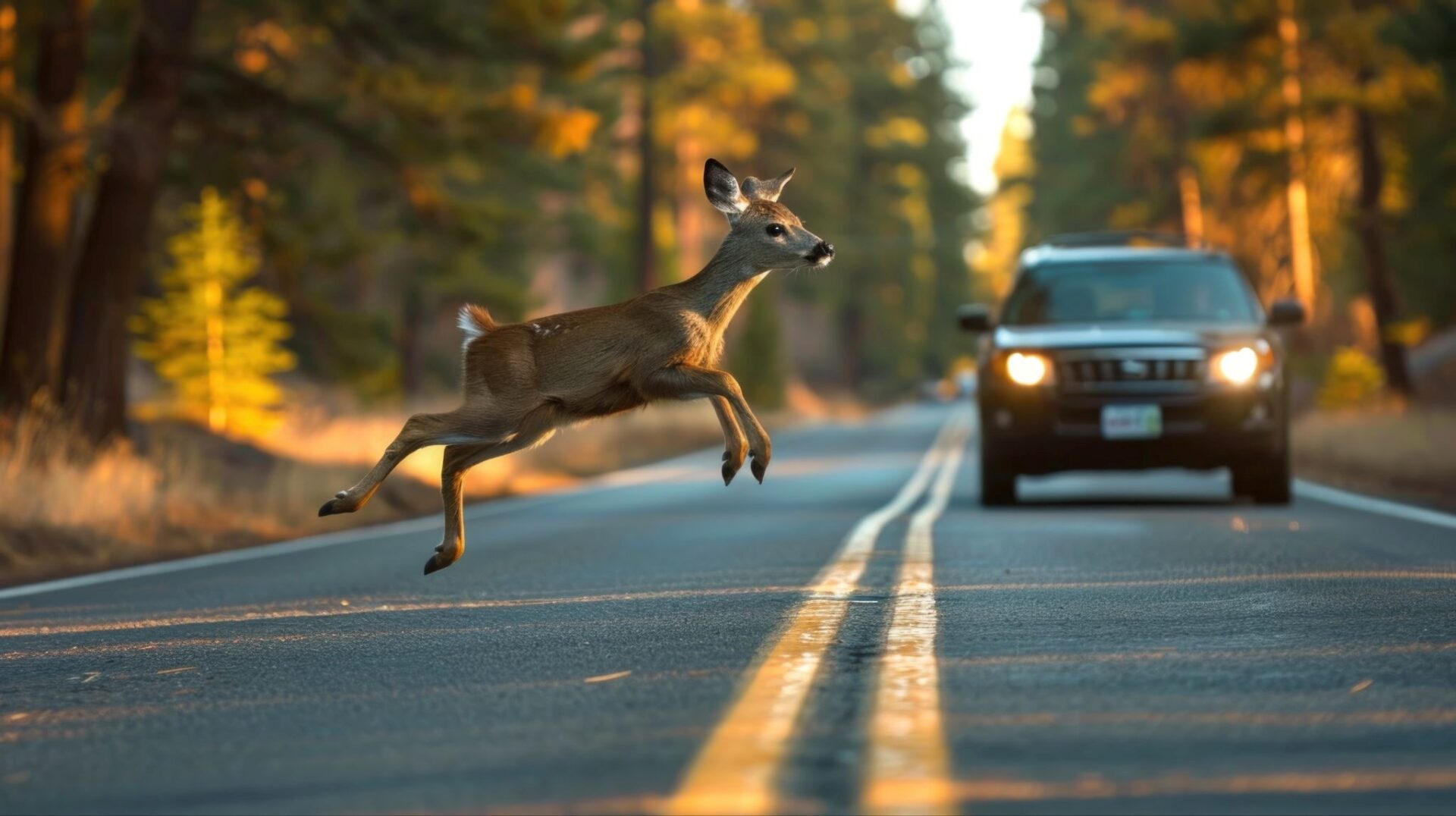
Unexpected deer crossings at the edge of a wooded road, or moving into traffic with little time to react, become a more common hazard every fall in Maine, especially in November.
Shorter days, reduced visibility, and increased deer movement during breeding season can make fall driving more challenging. Understanding why these collisions happen, how to reduce the risk, and what to do if one occurs can help drivers make informed decisions before and after a crash.
What Should You Do After a Deer Collision?
The right next steps depend on the circumstances, including whether anyone is injured, whether another vehicle is involved, and whether your car can be driven safely.
Consider the following:
- Check for injuries. Seek prompt medical attention if you are injured or develop symptoms after the collision.
- Move to safety if possible. If the vehicle can be moved safely, get out of active traffic. If it cannot, remain aware of surrounding traffic and call for assistance.
- Contact law enforcement when appropriate. Report the collision according to the circumstances and applicable requirements.
- Document what happened. If it is safe, photograph vehicle damage, the surrounding road, visible hazards, and other relevant details.
- Contact your insurance company. Ask about the applicable coverage, deductible, and claims process. Coverage depends on your policy and the circumstances of the collision.
- Keep records of injuries and expenses. If you were hurt, retain relevant medical records, receipts, and other documentation.
Do not put yourself in danger to collect evidence or approach an animal.
Attorney Perspective: The Circumstances of a Collision Matter
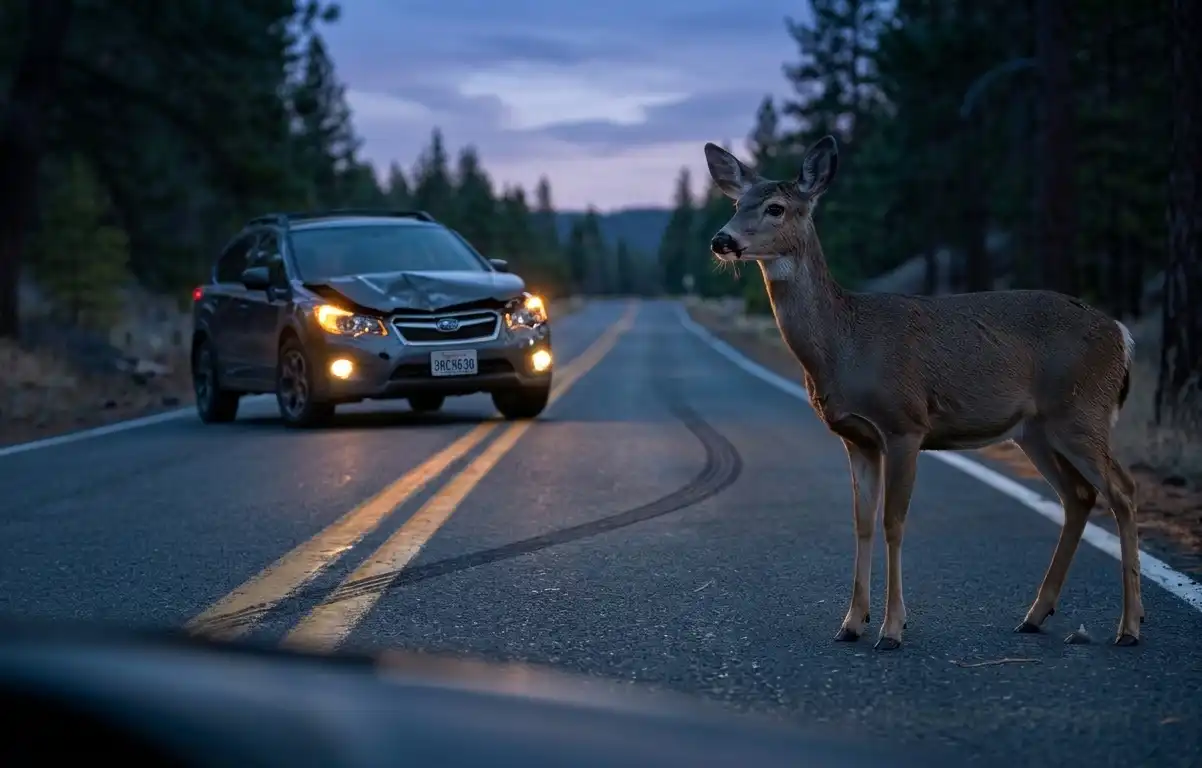
When a deer enters the road, a driver may have only seconds to react. In many cases, the collision is simply an unavoidable wildlife encounter. But the presence of a deer does not necessarily answer every question about how an accident occurred.
From a legal perspective, the circumstances surrounding a collision matter.
- Was another vehicle involved?
- Did a driver take an action that contributed to the crash? Were road conditions, visibility, or other hazards factors?
- Did the collision cause injuries beyond damage to the vehicle?
These questions are important because a collision involving a deer does not automatically establish that another person was legally responsible. At the same time, an accident that begins with a deer in the road can involve other circumstances that deserve a closer look.
Understanding what happened requires looking at the full picture—not making assumptions based on the accident type alone.
If you were injured in a collision involving a deer or another vehicle, VBK’s Maine car accident attorneys can help you understand the legal questions that may apply to your situation.
Can a Deer Collision Lead to a Personal Injury Claim?
Not every deer collision creates a personal injury claim against another person.
If a driver strikes a deer and no other party’s conduct contributed to the crash, the matter may primarily involve vehicle damage and insurance coverage.
However, a collision may raise additional legal questions if another vehicle is involved or if someone else’s actions contributed to the crash. The facts, available evidence, insurance policies, and applicable Maine law all matter.
If you were injured, document what happened, seek appropriate medical care, and understand your insurance coverage and options.
Learn more about personal injury claims in Maine.
Why Are Deer Collisions More Common in the Fall?
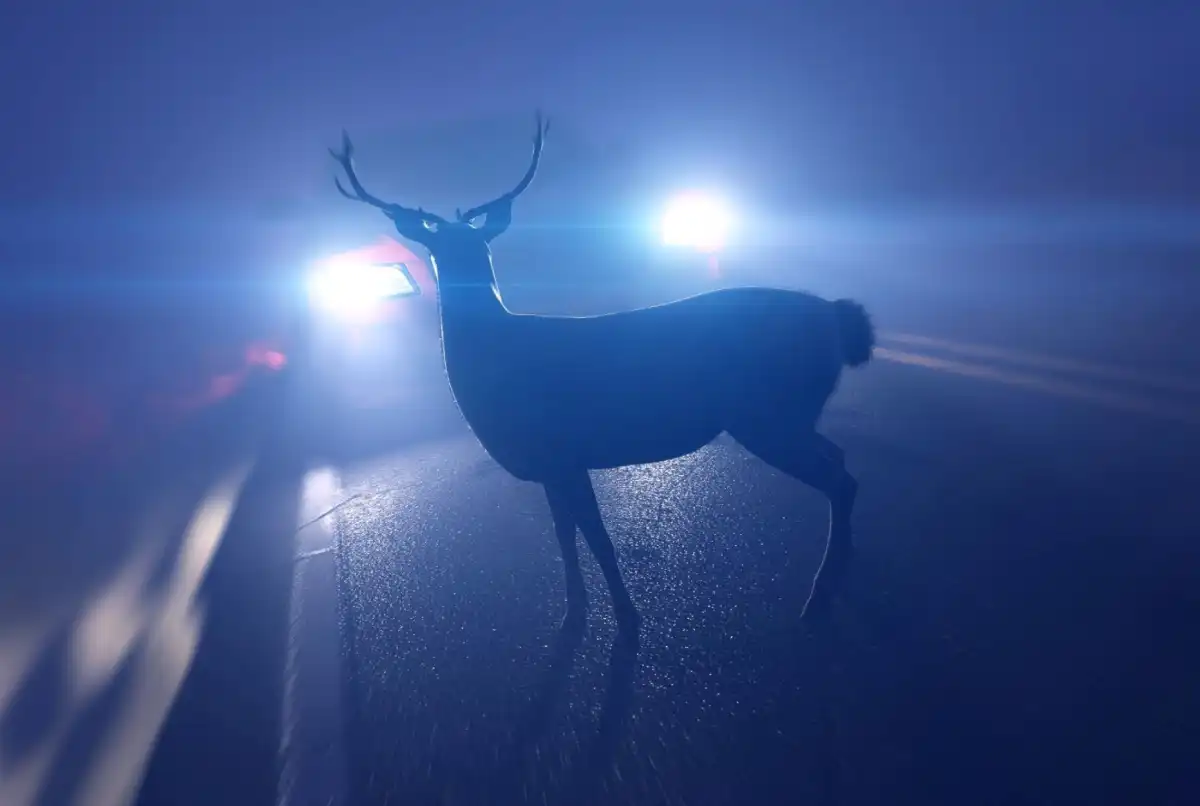
Several factors contribute to the increase in deer-vehicle collisions during Maine’s fall driving season.
- Deer breeding season.
During the fall breeding season, deer movement increases as they search for mates. They may cross roads more often and move into areas drivers do not expect.
2. Shorter days and reduced visibility.
Many people commute during dawn and dusk, when deer are especially active. As daylight hours decrease, more driving occurs when deer are harder to see.
3. Roads near wooded areas.
Maine’s rural roads, wooded corridors, and roads bordering fields or other deer habitat can bring vehicles into close proximity with wildlife. A deer may emerge from vegetation with very little warning.
4. More than one deer may be nearby.
Deer sometimes travel together. If one crosses the road, another may follow, so drivers should remain alert after seeing the first animal.
The Maine Department of Transportation identifies autumn as a period of increased deer-vehicle collisions, with crashes typically peaking in November.
For more information, see MaineDOT Wildlife Safety guidance and the Maine Department of Inland Fisheries & Wildlife’s information on white-tailed deer.
Get Started Today
Contact VBK Law
When Are Deer Collisions Most Likely in Maine?
Although deer can cross a road at any time, some conditions increase the likelihood of an encounter.
- Season: Fall, particularly October and November, brings increased deer movement.
- Time of day: Deer are especially active at dawn and dusk.
- Location: Roads near woods, fields, and other deer habitat can present a greater risk.
- Visibility: Darkness, rain, fog, and other conditions that limit visibility can make it harder to spot an animal in time.
Drivers should not assume a road is clear simply because they have not seen deer there before. Wildlife movement can change, and an animal can enter the roadway unexpectedly.
How Can You Reduce the Risk of Hitting a Deer?
You cannot eliminate the risk of a deer collision, but a few driving habits can help.
- Reduce your speed when visibility is limited. Driving at a speed appropriate for conditions gives you more time to spot and respond to hazards.
- Scan the road edges. Pay attention to the shoulders and wooded areas on both sides of the road, not just the pavement ahead.
- Use your headlights appropriately. At night, use high beams when conditions and traffic allow, and switch to low beams when approaching other vehicles.
- Stay especially alert around dawn and dusk. Deer are more active during these times and may be harder to see.
- Watch for additional deer. If one crosses the road, slow down and look for others.
- Avoid distractions. Keeping your attention on the road increases your chances of spotting an animal before it enters your path.
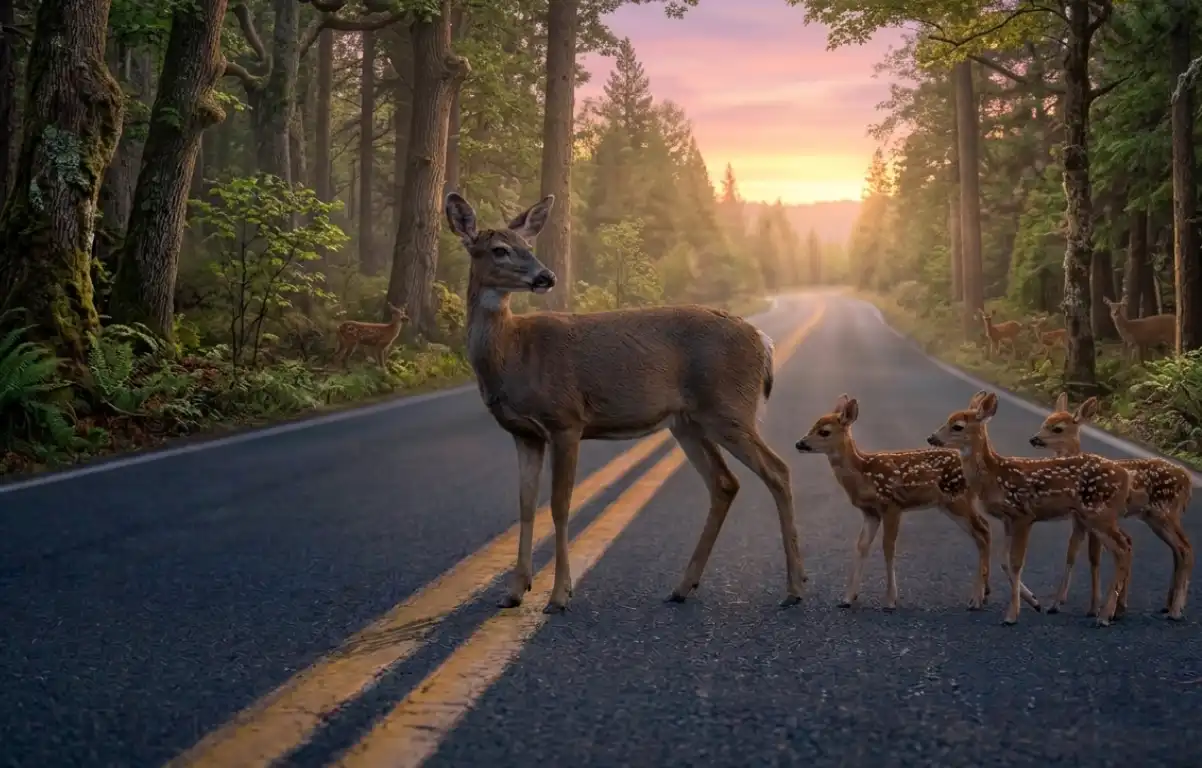
What Should You Do If a Deer Runs Into the Road?
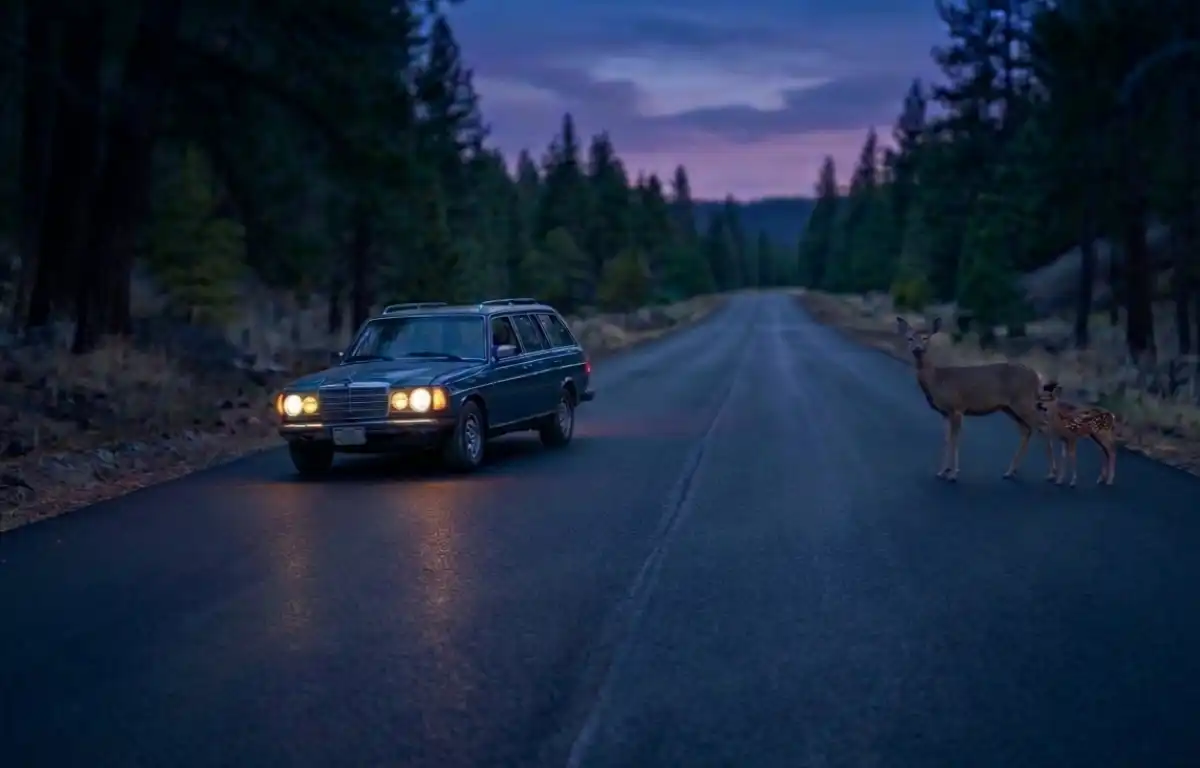
A deer can appear suddenly, leaving little time to respond. If one enters your path:
- Brake firmly and maintain control. Avoid abrupt steering movements that could cause you to lose control.
- Avoid swerving into oncoming traffic or another hazard. A sudden attempt to avoid a deer can create a more dangerous collision.
- Be aware of surrounding traffic. Your response needs to account for other vehicles, road conditions, and the space available.
- If a collision occurs, stop somewhere safe. Turn on your hazard lights and assess the situation before leaving the vehicle.
- Do not approach an injured deer. A frightened or injured animal can behave unpredictably.
If anyone may be injured, seek emergency assistance as appropriate.
Common Questions About Deer Collisions in Maine
1. What month has the most deer collisions in Maine?
2. What time of day are deer collisions most likely?
3. Are deer collisions more common on rural roads?
4. Should I swerve to avoid hitting a deer?
5. Does car insurance cover a collision with a deer?
6. Can I bring a personal injury claim after hitting a deer?
Get Started Today
Contact VBK Law
Related Resources
If you are looking for more information about car accidents and injury claims in Maine, these resources may also help:
Contact VBK
VBK Law represents injured individuals and families throughout Maine. If you have questions about a car accident involving injuries, our attorneys can explain the legal issues that may apply and help you understand your options under Maine law.
Deer collisions are a familiar part of fall driving in Maine, but they can still be sudden, stressful, and consequential. Staying alert, adjusting your speed to the conditions, and knowing what to do after a collision can help you respond more confidently.
Keep in mind that the immediate damage does not always tell the whole story.
If a collision results in injuries or involves circumstances beyond the wildlife encounter itself, documenting what happened and understanding your options can help you decide what to do next.