
Resource Center: What We've Learned
The Three Most Common Mistakes We See After Serious Truck Accidents
A serious collision involving an 18-wheeler, tractor-trailer, logging truck, or other commercial vehicle can change someone’s life in an instant.
In the days that follow, injured people may find themselves managing medical appointments, insurance calls, vehicle damage, missed work, and uncertainty about what comes next.
At VBK Law, we’ve learned that the decisions made during this period can have lasting consequences. Truck accident claims often involve more complicated investigations than ordinary car accidents, and information that seems unimportant at first may become essential later.
This resource explains three mistakes worth avoiding after a serious truck accident in Maine—and why understanding them can help protect your health, financial recovery, and legal options.

Mistake #1: Underestimating Your Injuries or Delaying Medical Care
After a collision, people often focus on what they can see: a damaged vehicle, a painful shoulder, or an injury that requires immediate treatment.
But not every injury is obvious in the first hours following a crash.
Concussions, soft-tissue injuries, spinal injuries, and other conditions may become more apparent over time. Some people also underestimate how an injury will affect their ability to work, care for their families, or return to normal activities.
Delaying appropriate medical care can make recovery more difficult. It can also create gaps in medical documentation that complicate an injury claim.
What to do instead: Seek prompt medical evaluation, follow recommended treatment, communicate changes in your symptoms, and maintain records of appointments, expenses, and work limitations.

Attorney Perspective: The Full Impact of an Injury Takes Time to Understand
One important distinction in serious injury cases is the difference between an initial diagnosis and the long-term consequences of an accident.
A person may leave the emergency department knowing they have a fractured bone, for example, but not yet know whether surgery, rehabilitation, or extended time away from work will be necessary.
Evaluating a serious injury claim requires understanding both the immediate harm and the likely future effects. Medical documentation, treatment progress, and professional evaluations can help establish that fuller picture.
For this reason, making significant decisions about compensation before the extent of an injury is understood can be premature.
Mistake #2: Assuming the Police Report Contains All the Evidence
Police reports provide important information, but they are not necessarily the complete record of what happened.
Commercial truck accidents may involve evidence that is not immediately available at the crash scene.
Depending on the vehicle and circumstances, relevant records may include:
- Electronic logging device records and driver hours-of-service information
- Vehicle inspection and maintenance records
- Dispatch communications and trip documentation
- Cargo loading and securement records
- Dash camera footage and other available electronic data
- Witness statements and photographs of roadway conditions
Some records are maintained by trucking companies or third parties, rather than by the injured person.
The Federal Motor Carrier Safety Administration (FMCSA) explains how electronic logging devices are used to document certain commercial drivers’ hours of service.
These records may help investigators evaluate driver fatigue, regulatory compliance, or other circumstances surrounding a collision. Different vehicle systems record different information, so evaluate the availability and usefulness of electronic evidence individually.
What to do instead:
Preserve
- Photographs
- Witness information
- Medical records
- And other evidence you can access.
Consider obtaining legal guidance early so you can identify relevant commercial vehicle records and consider appropriate preservation steps.
Attorney Perspective: Evidence Can Tell a Story Beyond the Collision
In an ordinary car accident, determining fault may primarily involve the drivers, witnesses, roadway conditions, and physical evidence.
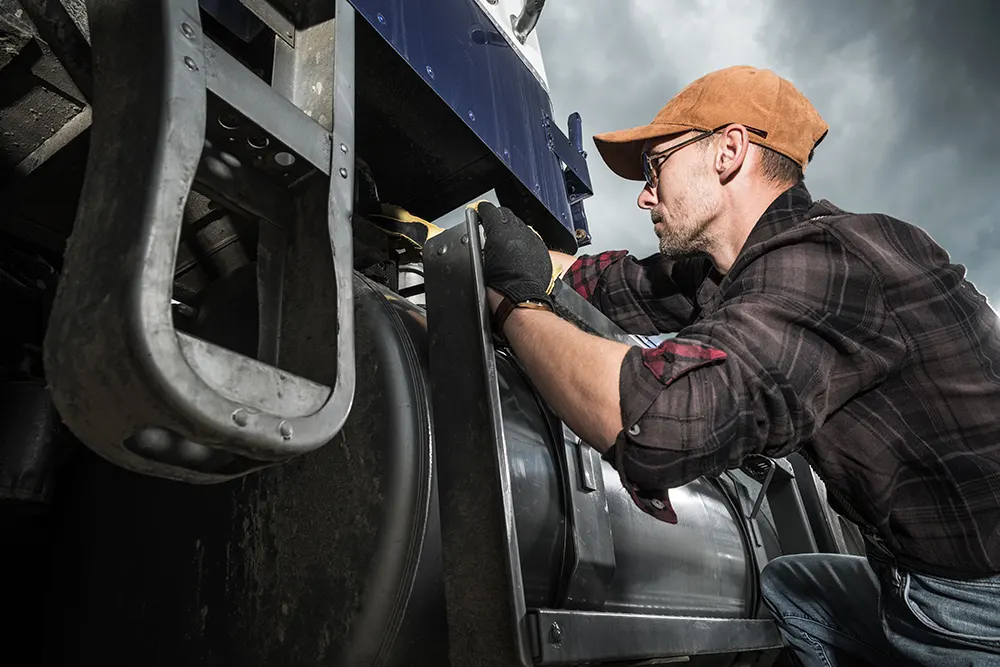
A commercial truck accident can require a broader investigation.
- Was the truck properly maintained?
- Had the driver been operating for an extended period?
- Was the cargo secured appropriately?
- Did a company practice contribute to the circumstances that caused the crash?
These questions do not mean that a trucking company is automatically responsible. They illustrate why investigators should avoid drawing conclusions before reviewing the available evidence.
At VBK, careful investigation and attention to the complete circumstances of an accident are central to evaluating serious injury claims.
Learn more about how VBK approaches truck accident claims in Maine.
Mistake #3: Accepting an Early Settlement Before Understanding the Claim
After a serious truck accident, an insurance company may contact an injured person relatively quickly.
The adjuster may request information, ask for a recorded statement, or discuss a possible settlement.
These communications are part of the claims process, but an early offer does not necessarily reflect the full value of an injury claim.
At that stage, an injured person may not yet know:
- Whether additional treatment or surgery will be needed
- How long recovery may take
- Whether they can return to their previous work
- Whether permanent limitations will affect daily life
- Whether multiple parties or insurance policies are involved
A settlement generally involves releasing specified claims. Once an agreement is finalized, pursuing additional compensation for those released claims may no longer be possible.
What to do instead: Understand the scope of your injuries, the available insurance coverage, and the terms of any proposed settlement before signing an agreement.
For more information, read VBK’s resource on what we’ve learned about insurance companies after serious accidents in Maine.
Get Started Today
Contact VBK Law
Attorney Perspective: A Truck Accident Claim Is More Than an Insurance Negotiation
One of the most important aspects of a serious truck accident claim is identifying the parties who may bear legal responsibility.
Depending on the circumstances, that may include a driver, trucking company, maintenance provider, cargo-loading operation, or another party.
Determining responsibility requires evidence, knowledge of applicable laws, and an understanding of how the various parties and insurance policies relate to one another.
A quick settlement may seem appealing when medical bills are accumulating, and income has been interrupted. But an informed decision should account for the full circumstances of the collision and the injuries it caused.
VBK’s personal injury attorneys, Lisa A. Cohen Lunn and Seth D. Harrow, help injured Mainers evaluate these issues with careful preparation and experienced legal judgment.


- Phone:+1 (859) 254-6589
- Email:info@example.com
Why These Mistakes Matter in Maine Truck Accident Cases
Maine’s roads carry commercial traffic through urban centers, rural communities, and major transportation corridors.
Truck collisions may occur along I-95, on Route 9, or on smaller roads used by logging trucks and other commercial vehicles.
Although the location and circumstances of each accident differ, the same questions often arise: What caused the collision? Who may be responsible? What evidence is available? And what will the injuries mean for the person involved?
Maine generally provides a six-year limitations period for many personal injury lawsuits under 14 M.R.S. §752, subject to exceptions and other applicable deadlines.
However, the time available to file a lawsuit should not be confused with the time available to preserve evidence, meet insurance notice requirements, or effectively investigate the accident.

What Should You Do If a Deer Runs Into the Road?
A deer can appear suddenly, leaving little time to respond. If one enters your path:
- Brake firmly and maintain control. Avoid abrupt steering movements that could cause you to lose control.
- Avoid swerving into oncoming traffic or another hazard. A sudden attempt to avoid a deer can create a more dangerous collision.
- Be aware of surrounding traffic. Your response needs to account for other vehicles, road conditions, and the space available.
- If a collision occurs, stop somewhere safe. Turn on your hazard lights and assess the situation before leaving the vehicle.
- Do not approach an injured deer. A frightened or injured animal can behave unpredictably.
If anyone may be injured, seek emergency assistance as appropriate.

Frequently Asked Questions About Serious Truck Accidents in Maine
1. Should I speak with the trucking company's insurance adjuster?
2. What evidence is important after a commercial truck accident?
3. Can more than one party be responsible for a truck accident?
4. How long do I have to file a truck accident lawsuit in Maine?
5. What if my injuries become more serious after the accident?

Get Started Today
A Final Thought From VBK
After a serious truck accident, people often feel pressure to make decisions before they have all the information they need.
One thing we’ve learned from decades of representing Mainers is that careful preparation matters. Understanding the injuries, preserving evidence, and examining the full circumstances of a collision can help prevent important questions from being overlooked.
VBK Law represents individuals and families injured in serious commercial vehicle accidents throughout Maine. From our Bangor office, our attorneys serve clients across Penobscot County, Downeast Maine, Aroostook County, and communities statewide.
If you or a loved one has been injured in a serious truck accident, our attorneys can help you understand your options and determine what steps may be appropriate.
Learn more about VBK’s Maine truck accident attorneys or contact our office to discuss your circumstances.
Contact VBK Law
Related Resources
If you are looking for more information about car accidents and injury claims in Maine, these resources may also help: